

Recognizing the Varieties of Aggression
Earlier than you even take into consideration bringing another dog home, it’s essential to know what sort of aggression you’re coping with.
Aggression isn’t simply “meanness.” It’s normally rooted in concern, stress, frustration, or discovered habits. Figuring out your canine’s triggers will decide whether or not a brand new companion is sensible — and the way rigorously you’ll must handle the method.
Right here’s how habits consultants in 2025 classify the principle aggression varieties and what every one means in your introduction plan:
1. Predatory Aggression (Do Not Try Introductions)
That is instinct-driven habits aimed toward chasing and harming smaller animals or fast-moving canine. It’s not about dominance — it’s prey drive.
In case your canine fixates, stalks, or lunges with no warning towards different animals, they need to stay the one pet within the dwelling.
Even skilled trainers agree: this sort of aggression may be managed however not safely cured in a multi-dog dwelling.
2. Territorial Aggression
This kind seems when a canine feels the necessity to shield their dwelling or yard. Barking, growling on the window, or lunging close to the fence are widespread indicators.
A brand new canine may be seen as a “trespasser,” so introductions should occur off your property — ideally at a impartial park or coaching house.
💡 Professional Tip: As soon as the canine meet calmly away from dwelling, reintroduce them inside the home solely after a number of constructive classes.
3. Possessive or Useful resource Guarding Aggression
Canines with this trait guard meals, toys, and even folks. You’ll discover stiff posture, hovering, or growling if anybody approaches their “stuff.”
Whereas intimidating, this aggression is commonly the best to handle via coaching — by feeding individually, eradicating triggers, and instructing “commerce” or “drop it” cues.
🩺 Vet Tip: Stress hormones can spike in canine with continual useful resource guarding. Calming dietary supplements or pheromone diffusers may also help scale back arousal throughout coaching.
Our Favourite Calming Complement
Hemp & Hips Plus CBD
Greatest CBD Oil Complement for Canines
Vet Naturals Hemp & Hips rapidly delivers a CBD richer in joint-supporting cannabinoids and terpenes, easing joint ache and anxiousness in as little as 10 minutes. The 100% naturally natural mix is formulated by vets and Made within the USA.
4. Concern or Nervousness-Primarily based Aggression
This is likely one of the most misunderstood kinds. Fearful canine don’t need to chunk — they’re making an attempt to make scary issues go away.
They could freeze, growl, or snap when cornered or overwhelmed. These canine can be taught to simply accept new canine if the introduction is gradual, structured, and constructive.
💡 Professional Tip: Use distance as your buddy. Don’t pressure contact. Enable your fearful canine to select when to get nearer.
5. Dominance or Standing-Associated Aggression
Fashionable trainers now view this much less as “alpha habits” and extra as frustration or control-seeking.
These canine need clear boundaries and consistency — not punishment. They’ll dwell peacefully with one other canine if the brand new canine is calm and never pushy.
🩺 Vet Behaviorist Be aware: Pairing two dominant canine is dangerous with out skilled supervision. Reverse temperaments (assertive + submissive) work finest.
Backside line: Not all aggression means a canine can’t have associates — however it does imply you want a personalized plan. In case your canine’s aggression has ever brought about damage, work with a licensed habits marketing consultant (IAABC or CCPDT) earlier than making an attempt any introductions.

Determine If Introducing a New Canine Is Smart Proper Now
Right here’s the reality nobody likes to confess: not each canine is prepared for a roommate.
Including a second canine to a house with aggression points can both assist your canine develop—or make issues exponentially worse.
Earlier than you begin planning that lovely “first meet,” take a second to guage whether or not your present canine is really prepared for this step.
Ask Your self These Key Questions
- Has your canine ever brought about damage?
Even one severe chunk or battle means you want skilled assist earlier than any introduction.
In case your canine has drawn blood from one other animal, cease right here and name an authorized behaviorist. - Can your canine settle down rapidly after triggers?
If it takes hours in your canine to settle after seeing one other canine, they’re nonetheless emotionally reactive—not prepared for home sharing. - Do you’ve time for coaching and administration?
Including a canine isn’t a shortcut to “fixing” reactivity. It means extra construction, walks, and shut supervision for months. - Is your own home arrange for separation and management?
You’ll want child gates, crates, and separate feeding zones for weeks (typically months) till belief develops. - Do you’ve help?
A certified coach or habits marketing consultant could make or break success. Search for IAABC, CCPDT, or KPA-certified professionals.
🩺 Vet Behaviorist Perception: Canines who show continual aggression typically profit from a mix of habits modification and calming help, equivalent to nutraceuticals (Zylkene, L-theanine, or CBD beneath vet steerage). A calmer baseline makes introductions safer and extra profitable.
Selecting a Suitable New Canine
In case you’ve determined your present canine is prepared for a buddy, the following step is discovering a match made in concord — not havoc.
The proper persona pairing could make all of the distinction between peaceable coexistence and fixed rigidity.
Right here’s tips on how to stack the chances in your favor:
1. Match Temperament Over Breed
Neglect stereotypes about breeds — concentrate on persona compatibility.
A relaxed, social canine pairs higher with a nervous or reactive canine than one other excitable one.
Search for:
✔ Calm, non-confrontational canine
✔ Strong social abilities with different canine
✔ No historical past of useful resource guarding or bullying
✔ Adaptable temperament
💡 Professional Tip: In case your present canine is reactive, purpose for a “chill” canine who doesn’t push boundaries. Shelters typically have temperament-tested canine that meet these standards.
2. Think about Dimension and Vitality Stage
Whereas large/little pairings can work, it’s safer to decide on canine of comparable dimension and play fashion to forestall damage.
In case your present canine is high-energy or bodily tough, keep away from fragile or toy-sized breeds.
Likewise, in case your present canine is older or anxious, a relaxed, lower-energy canine could be a nice steadiness.
🩺 Vet Tip: Mismatched power can result in stress and resentment. Senior or low-activity canine might develop pain-related reactivity if continuously pestered by a bouncy teenager.
3. Select the Proper Intercourse and Spay/Neuter Standing
Previous recommendation recommended at all times pairing reverse sexes, however trendy analysis focuses extra on compatibility and coaching than gender alone.
That mentioned, avoiding two intact males or two unspayed females nonetheless helps scale back hormonal rigidity.
✔ Spayed feminine + neutered male typically works finest.
✔ Two females are the riskiest pairing (particularly if each are dominant).
✔ Age hole issues too — a mature, assured canine can mentor a youthful, calmer one.
4. Use a “Foster-to-Undertake” Trial Interval
If doable, prepare a foster meet-up earlier than committing. Many shelters and rescues provide “sleepovers” or “trial weekends” to check compatibility.
This offers you an opportunity to see actual interactions beneath managed situations, with out the strain of permanence.
💡 Professional Tip: In the course of the trial, monitor each canine’ physique language — relaxed tails, play bows, and shared sniffing = progress. Growls, exhausting stares, or lip curls = pause and reassess.
Step-by-Step Introduction Plan
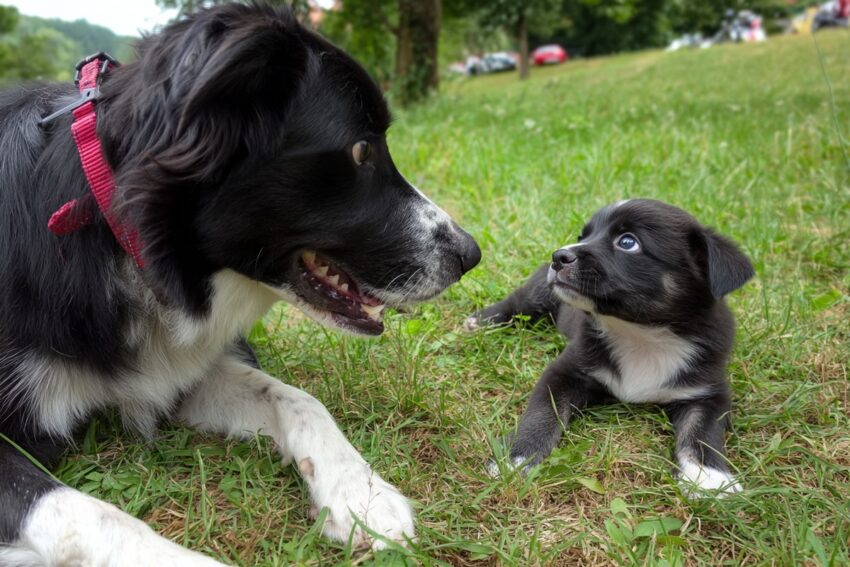
Introducing a brand new canine to an aggressive or reactive canine just isn’t a one-day course of — it’s a gradual journey of trust-building.
Every step ought to really feel boring. That’s really the objective — no drama, no pleasure, simply calm familiarity.
Right here’s tips on how to do it proper:
Step 1: Select Impartial Territory
By no means introduce the canine at your own home — that’s your resident canine’s turf.
Decide a impartial, quiet location like a relaxed park or coaching facility the place neither canine feels possession.
💡 Professional Tip: Keep away from busy canine parks. Managed house is vital — overstimulation or chaos could make reactive canine regress immediately.
Step 2: Use the Parallel Stroll Technique
This methodology is now the go-to commonplace for secure introductions.
Begin by strolling each canine parallel to one another however on reverse sides of the road, preserving about 30–40 toes between them.
- Maintain free leashes (tight rigidity will increase anxiousness).
- Stroll within the similar path so that they focus ahead, not on one another.
- If both canine fixates, sniff the bottom, change path, or enhance distance — keep away from direct stares.
Coach Tip: Search for delicate physique language — relaxed tails, open mouths, wagging hips, and curiosity as a substitute of stiffness.
Step 3: Reward Calm Eye Contact
Every time your canine glances on the new canine calmly — even for a second — mark and reward.
You’re instructing: “Seeing that canine = good issues occur.”
This constructive affiliation rewires the emotional response from “risk” to “reward.”
Use high-value treats like boiled hen or freeze-dried liver. Timing issues greater than amount — reward inside one second of the calm look.
Step 4: Take Visible Breaks
Each jiffy, use obstacles (automobiles, bushes, benches) to interrupt line-of-sight.
These “visible resets” assist reactive canine decompress and stop overexposure.
Consider it like hitting a reset button earlier than issues escalate.
💡 Professional Tip: Gradual progress is actual progress. You’ll be able to keep at this stage for a number of classes in case your canine wants it.
Step 5: Regularly Shut the Distance
As soon as each canine are strolling calmly close to one another for a number of classes, slowly scale back distance by a number of toes at a time.
Finish every stroll earlier than both canine will get agitated — at all times depart on a great notice.
After a number of profitable classes, you possibly can permit fast, sniff-based greetings (3 seconds max) and calmly name them away.
🩺 Vet Behaviorist Be aware: A decent leash or sudden yank can spark defensive aggression. Maintain actions relaxed and predictable.
Step 6: Managed Residence Introduction
When each canine have proven relaxed physique language on impartial floor, you possibly can introduce them inside.
- Take away all toys, chews, and meals bowls earlier than entry.
- Maintain leashes free however connected for simple separation.
- Let the new canine enter first, then permit the resident canine to discover on their very own phrases.
- Maintain classes quick and supervised — 10–quarter-hour tops at first.
If both canine freezes, growls, or exhibits stiffness, calmly separate and restart at a better stage.
Step 7: Construct Optimistic Routines
Consistency is your secret weapon.
Do shared walks, quick parallel play, and joint coaching classes to construct teamwork.
Feed individually, provide particular person relaxation areas, and monitor carefully for the primary few weeks.
💡 Professional Tip: Use calming aids throughout this part — pheromone diffusers, classical music, or a relaxing wrap just like the ThunderShirt may also help maintain stress low.

Thundershirt Classic Dog Anxiety Jacket
ThunderShirt is lightweight, breathable, and mechanically cleanable, match for all climates and life. It’s straightforward to make use of; merely fasten the straps round your canine’s neck and torso to use mild calming strain: No coaching required
We earn a fee when you make a purchase order, at no extra price to you.
Residence Administration & Ongoing Monitoring
The primary few weeks at dwelling are the true take a look at — that is when even calm canine can conflict. Keep proactive with construction and supervision.
Separate Throughout Key Occasions
Use gates, crates, or closed doorways throughout feeding, sleeping, or unsupervised moments.
Every canine wants private house to decompress and really feel secure.
💡 Professional Tip: Rotate yard or play entry at first, then regularly prolong shared time.
Handle Meals, Toys & Consideration
Feed in separate areas and take away toys or chews until you’re watching.
Even pleasant canine can guard when careworn — prevention is simpler than correction.
🩺 Vet Be aware: Useful resource guarding is intuition, not defiance. Handle it; don’t punish it.
Look ahead to Early Warning Indicators
Separate calmly when you see:
- Staring or stiff posture
- Blocking entry
- Growling or “freezing”
Redirect with a command like “let’s go,” and create house earlier than rigidity builds.
Maintain Minds Busy
Enrichment curbs frustration. Strive sniff walks, puzzle feeders, or frozen Kongs — however at all times use them individually at first.
Delay Unsupervised Time
Even when issues look nice, don’t depart them alone collectively for a number of weeks. Gradual trust-building prevents main setbacks.
Backside line: Construction = security. Consistency and calm routines maintain each canine assured and relaxed.

When to Name a Skilled (and What Success Actually Appears to be like Like)
Some canine want extra assist than dwelling coaching alone can present — and that’s okay. In case your canine’s aggression feels unmanageable, don’t push via it solo.
When to Herald a Professional
Name an authorized coach or behaviorist (CCPDT, IAABC, or KPA) if:
- Your canine has bitten or drawn blood.
- Pressure escalates regardless of gradual introductions.
- You are feeling unsafe or anxious throughout interactions.
💡 Professional Tip: Search for trainers who use force-free, constructive reinforcement — not dominance-based strategies.
What “Success” Truly Means
A peaceable dwelling doesn’t imply your canine cuddle on day one. It means:
✔ They coexist calmly.
✔ You’ll be able to redirect or separate them simply.
✔ Stress ranges keep low and predictable.
Some canine might by no means be finest associates, however mutual respect and security are nonetheless a win.
Success isn’t perfection; it’s stability. With construction, persistence, {and professional} help when wanted, even a reactive canine can be taught to dwell peacefully with a brand new companion.
Trending Merchandise

Dog Training Collar with Remote, 4200FT Electronic Dog Shock Collar with Beep, Vibration, Shock, Light and No Shock Mode, Electric Training Collar Set for Small Medium Large Dogs (Black Green)

Jugbow Dog Shock Collar 2 Dogs – 4200FT Dog Training Collars with Remote, IPX8 Waterproof E-Collar for Dogs Training Rechargeable e-Collars for Large Medium Small Dogs (10-120lbs)


Jugbow Dog Shock Collar 2 Dogs (10-120Lbs) – 4200FT Dog Training Collar with Remote IPX7 Waterproof Electric Collar with 4 Training Modes, Security Lock, Rechargeable e-Collar for All Breeds, Sizes

Bousnic Dog Shock Collar – 3300Ft Dog Training Collar with Remote for 5-120lbs Small Medium Large Dogs Rechargeable Waterproof e Collar with Beep (1-8), Vibration(1-16), Safe Shock(1-99) (Orange)

Heavy Duty Dog Leash with 2 Handles – 6ft Reflective Anti-Pull Leash for Large Dogs, Padded Traffic Handle for Control, Durable Nylon Training Lead (Black)


